Decisions about a building’s upkeep can shift costs between successive owners. Chew Teck Soon considers what happens when funding for major repairs comes too late.
Chew Teck Soon
In 2024, a chief financial officer carried his suitcase down 21 levels of stairs to catch a flight. He lived in a freehold condominium 15 minutes from Singapore’s central business district, but two of his block’s three lifts had failed.
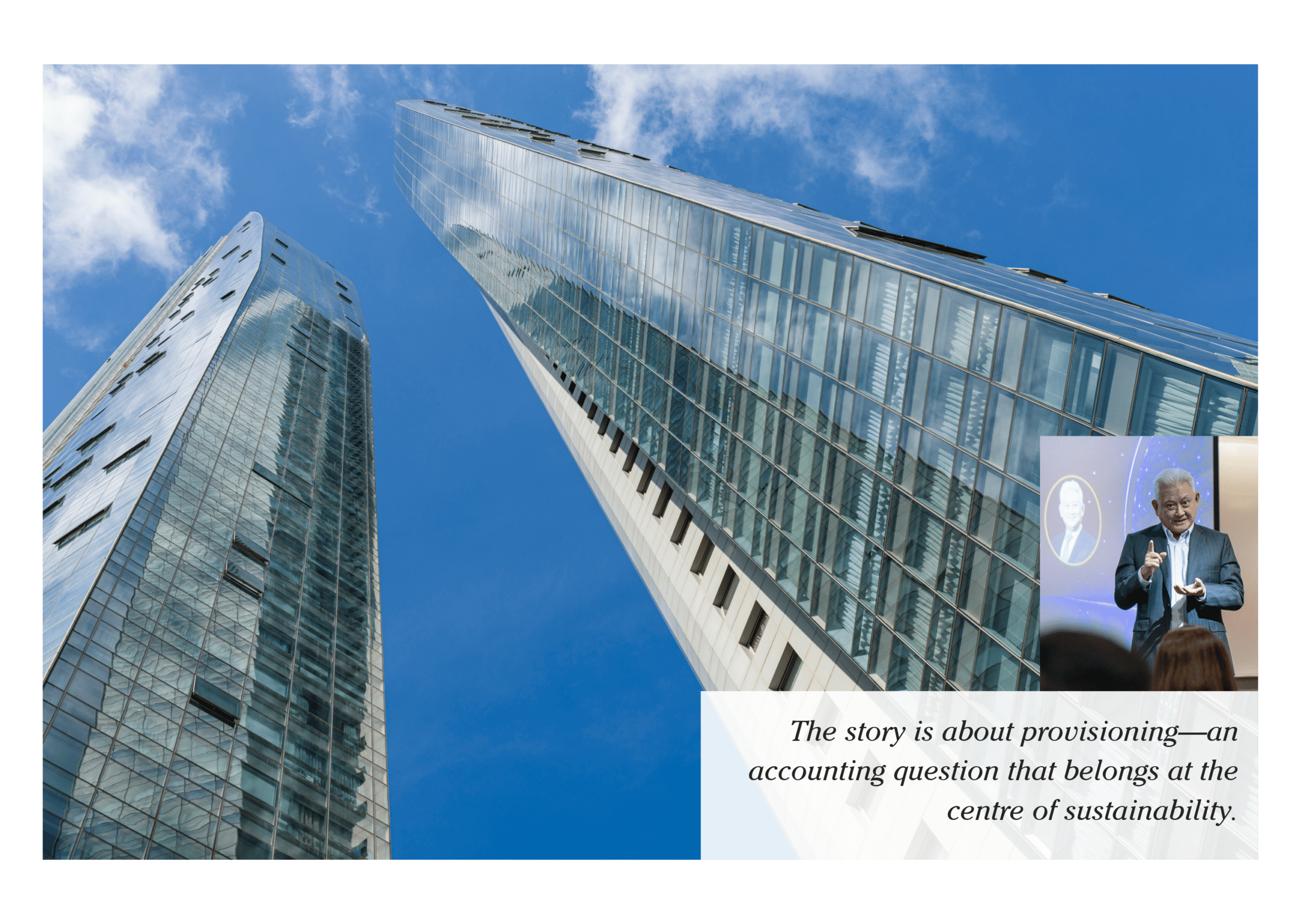
The story is about provisioning—an accounting question that belongs at the centre of sustainability. The money should have been collected adequately from 1994, when the building was handed over. By the time anyone was willing to collect it, no cheque could buy back the intervening years.
Fernwood Towers: The Cost You Cannot See
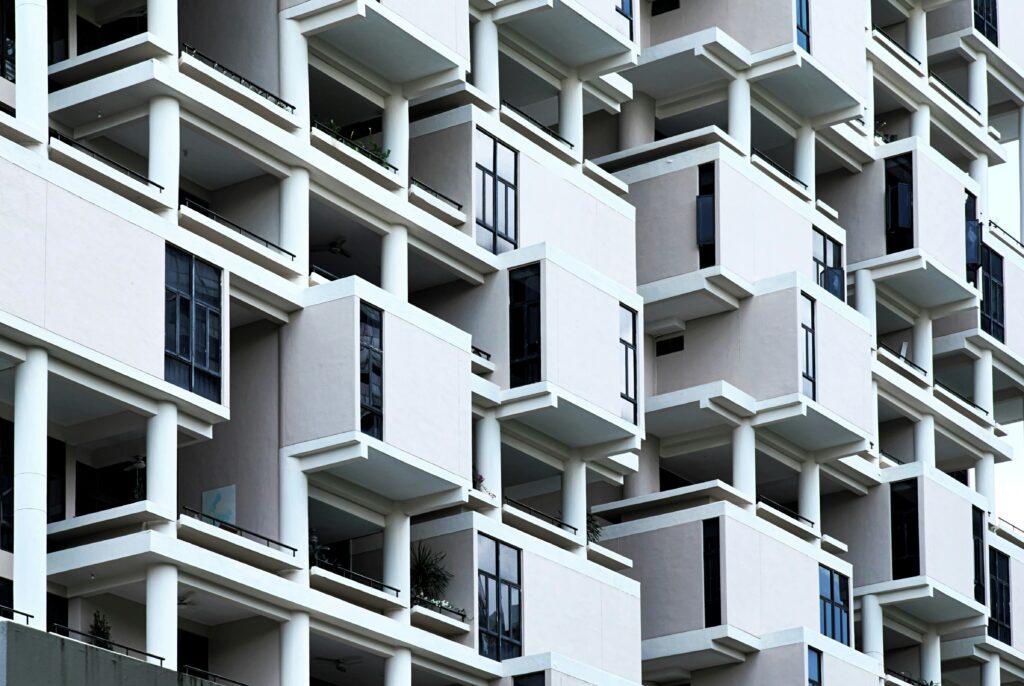
Fernwood Towers on Fernwood Terrace is a freehold development completed in 1994. It comprises four blocks and 11 lifts. By 2021, lift breakdowns had begun, but for years the management corporation could not secure enough owner support to fund replacement.
In 2023, a CFO owner-resident was voted in as chairman of the MCST council. The council then secured a mandate for a S$1.7 million special levy across 216 units to fund a full lift overhaul, on top of regular contributions. Owners could pay over 24 months, at an average of about S$320 per household per month, scaled by unit size.
Even after the vote, the lifts had to be specified, tendered, ordered, manufactured, delivered and installed. Eleven lifts could not be replaced at once.
Deferral therefore carries two costs. The first is financial: a lump-sum shock for owners present when the levy arrives and, effectively, a discount for those who sold earlier. The second is time: years of inconvenience that no later cheque can recover. Deferral is a transfer of money between owners and of time that cannot be transferred back.
This is an excerpt of Teck Soon’s article (adapted from his presentation at Connect-X 2026 ) published in Future Atlas 3Q 2026 digital edition. Read the full story there.
The views expressed are the author’s own.
Chew Teck Soon has over five decades of corporate and professional experience. A Chartered Accountant and retired Audit Partner of PwC, he has chaired Audit Committees of listed and NGO companies, directing ESG frameworks, policies and standards. With two MBAs in Sustainability Management and Sustainable Finance & Digital Innovation, he advises boards on ESG strategy, governance and sustainable value creation. His next learning journey is to do a PhD in Architecture with NUS on Governance in Architecture – AI-Enabled Built Environment.