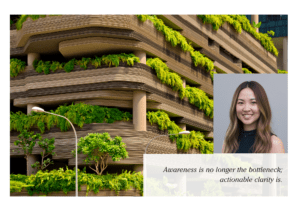
The concept of urban greenery as a benchmark for social equity first struck me over a decade ago during a conference panel discussion led by a South Korean professor. It challenged my assumptions, revealing how something as fundamental as trees and shrubs—often seen merely for shade and aesthetic appeal—could symbolise privilege in certain regions or neighbourhoods. Growing up in Singapore, where greenery permeates even modest areas, made it difficult to imagine vegetation as anything but a universal necessity. Yet, this disparity persists globally, underscoring a deeper issue of environmental injustice.
Access to urban green spaces—such as parks, gardens, and tree-lined streets—is essential for environmental quality and public health, but it remains profoundly unequal worldwide. Studies consistently show that low-income and minority communities often have limited access to these spaces, exacerbating social divides [3]. For example, research highlights how new green areas are disproportionately developed in affluent neighbourhoods, leaving vulnerable populations underserved and calling for targeted interventions in under-greened zones [12]. In the United States, racial and socioeconomic disparities persist, with non-white and low-income areas having significantly less tree cover and green infrastructure [11]. Similar patterns emerge internationally; in Brazil, sociodemographic factors heavily influence access to suitable urban green spaces, raising environmental justice concerns [0]. Seasonal variations further compound this, as lower socioeconomic groups experience reduced green exposure even in “15-minute city” models designed for accessibility [1].
These inequalities carry serious repercussions:
- Higher Urban Heat Stress: Vegetation-scarce areas suffer from intensified urban heat islands, elevating temperatures and heat-related illnesses. Low-income neighbourhoods typically have 15.2% less tree cover than wealthier ones, disproportionately burdening these communities with climate vulnerabilities [55]. This effect is amplified in historically redlined areas, where discriminatory policies have left lasting gaps in green coverage [14].
- Poorer Air Quality: Without sufficient trees for pollutant filtration, residents face heightened respiratory risks, particularly in densely populated urban zones lacking natural buffers [57].
- Mental and Physical Health Challenges: Green spaces promote physical activity, stress reduction, and overall well-being, with evidence linking access to nature to lower mortality rates, improved mental health, and reduced chronic conditions like cardiovascular disease [30]. Regular park use correlates with benefits like combating loneliness, osteoporosis, and anxiety, yet inequities deny these to marginalised groups [31].
Why Equity in Green Spaces Matters
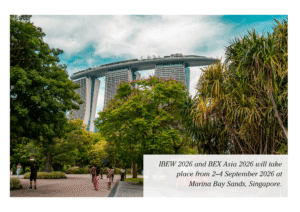
Equitable urban design serves as a vital tool for enhancing climate resilience and advancing social justice. By ensuring all communities have green access, cities can narrow health disparities, foster social cohesion, and build more liveable environments [40]. The European Environment Agency’s 2022 briefing on social inequalities in urban green access reveals that while European cities average 42% green infrastructure, distribution favours higher-income groups, prompting calls for inclusive policies [41]. Pioneering cities demonstrate feasible solutions: Copenhagen integrates green spaces equitably, ensuring spatial distribution aligns with population needs for health and recreation [20]. Singapore’s holistic urban greening emphasises biodiversity and accessibility across socioeconomic lines, while Vancouver’s Greenest City Action Plan focuses on reducing emissions through inclusive green strategies [28]. These examples illustrate that sustainable design can harmonise environmental goals with justice.
Inclusive Architectural and Urban Design as the Solution
To achieve greener, fairer cities, collaboration among planners, architects, communities, and policymakers is essential. Key strategies include:
- Pocket Parks: These compact green areas offer respite in high-density zones where larger parks are impractical, boosting local biodiversity and community health [38].
- Green Roofs and Walls: Beyond aesthetics, they enhance building insulation, improve air quality, and provide ecosystem services to surrounding areas, with policies in cities like Copenhagen mandating their integration for broader equity [17].
- Walkable, Connected Neighbourhoods: Shaded, safe pathways encourage outdoor engagement and nature access, reducing barriers for vulnerable populations and promoting physical activity [37].
Ultimately, why treat urban green spaces as a luxury when they are fundamental to human well-being? No one should dictate who benefits from cleaner air, cooler environments, and reduced stress. By prioritising equity in greening efforts, cities can create inclusive, resilient futures. To advance this, I recommend next steps like auditing local green space distribution using tools such as AI-powered satellite mapping for precise disparities [5], then engaging community stakeholders in policy co-creation to ensure solutions are realistic and targeted.