
Context Beyond Borders
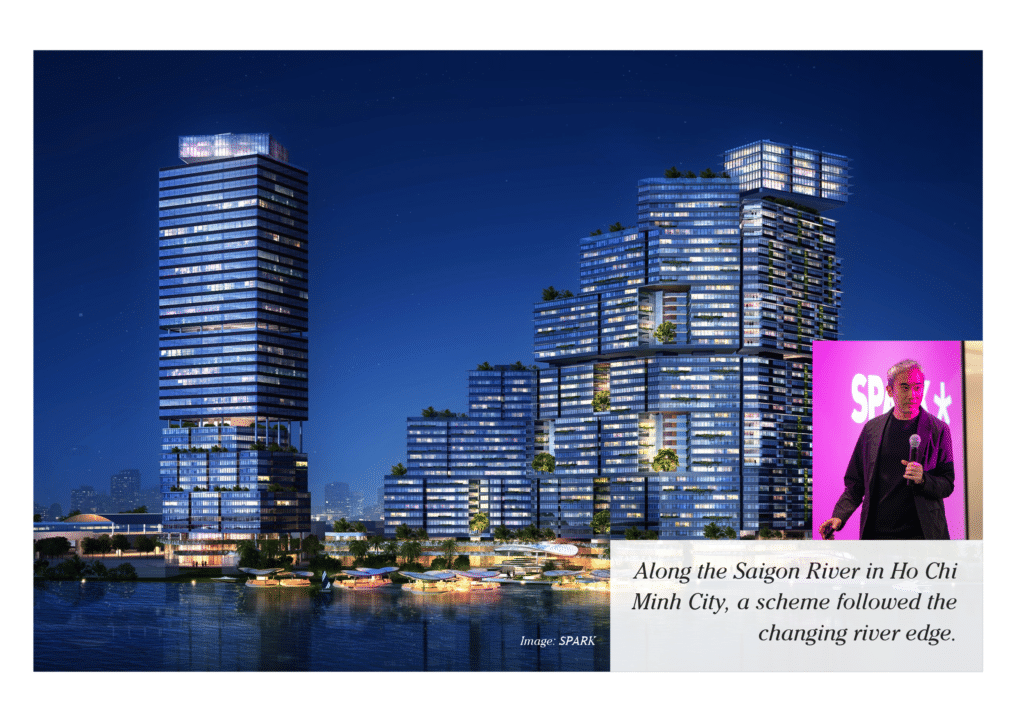
Seven projects across Asia show how
climate, people, terrain, industry and
cultural memory shape the design response.
Adapting the Domestic Order
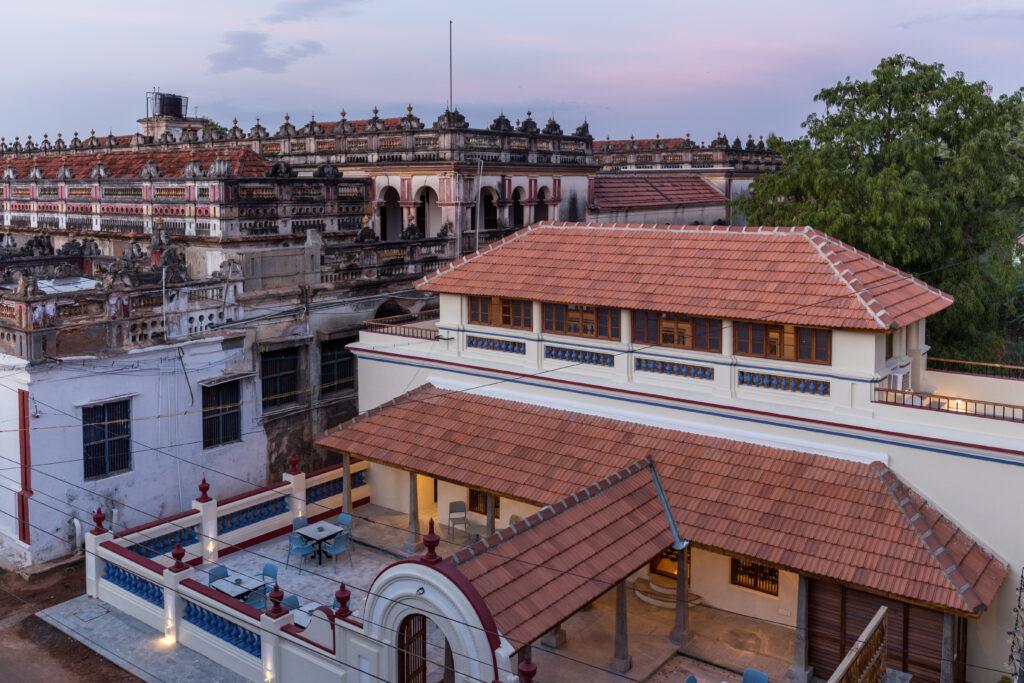
At The Vaadhyar’s House in Kanadukathan, a 19th-century summer residence has been restored as a restaurant. Its courts, verandas and halls show how an inherited domestic order can accommodate a public programme.
What Changes When an Architect Designs at the Scale of the Hand?
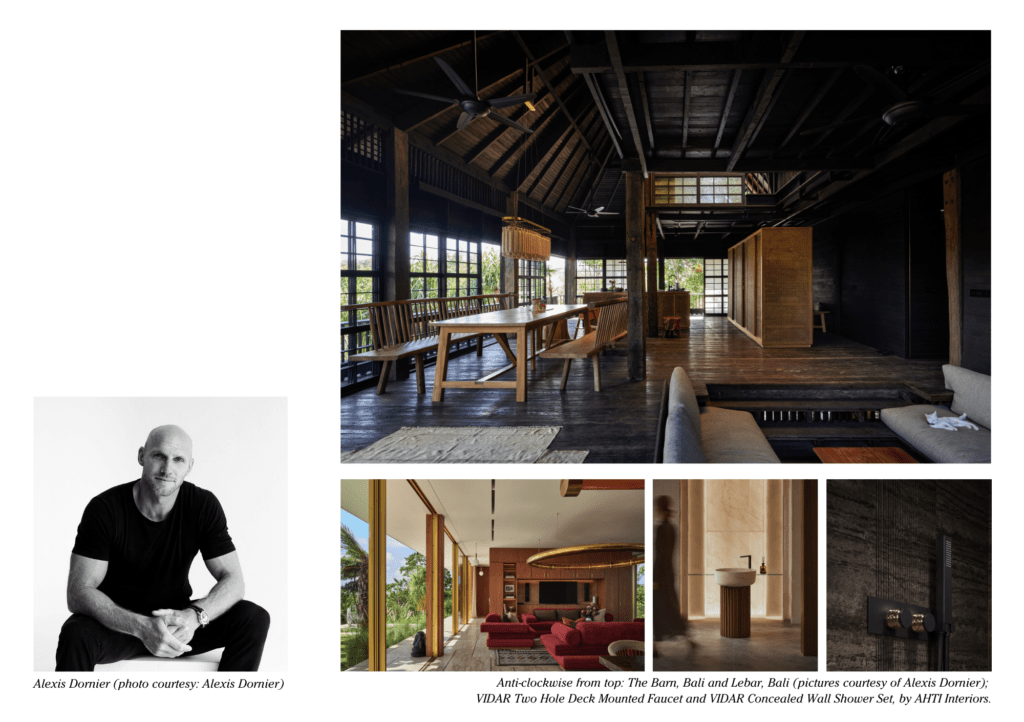
In this conversation with architect Alexis Dornier, who works across buildings, spatial installations and objects, he reflects on what changes when design moves between those scales.
Huawei’s Guangzhou Campus and the Industrial Riverfront’s Next Economy
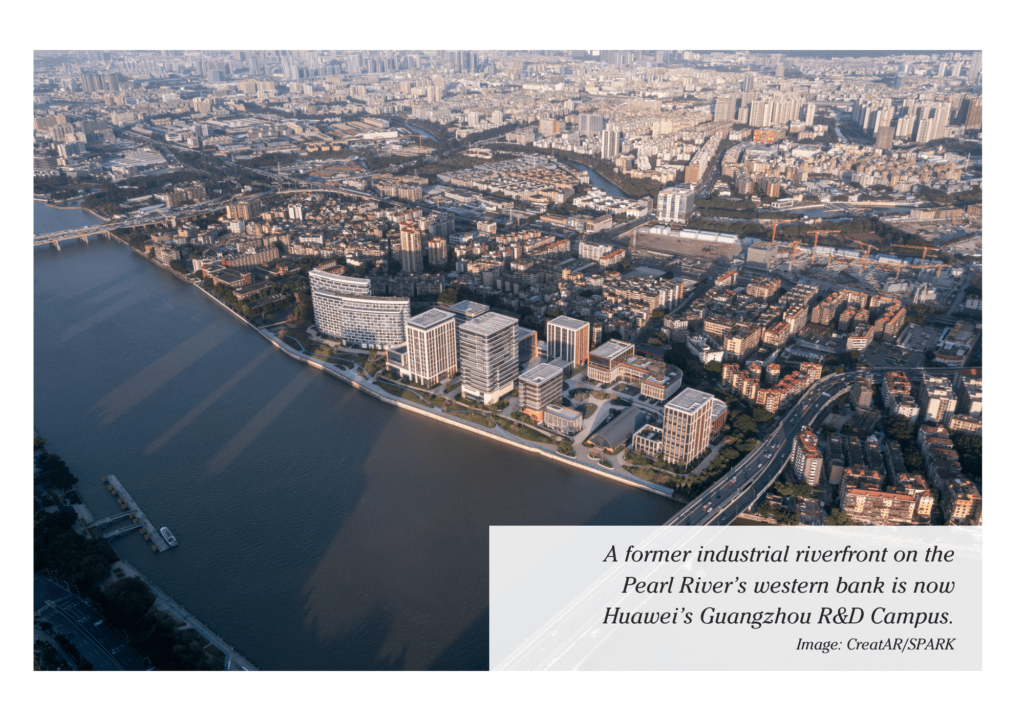
A former sugar-processing site on the Pearl River’s western bank has been converted into Huawei’s Guangzhou R&D Campus: a 305,000-square-metre complex of offices, hospitality and cultural space designed by Singapore-based SPARK as a single urban composition.
A Street You Can Walk Through: SHIBUYA AXSH and the Private-Public Equation
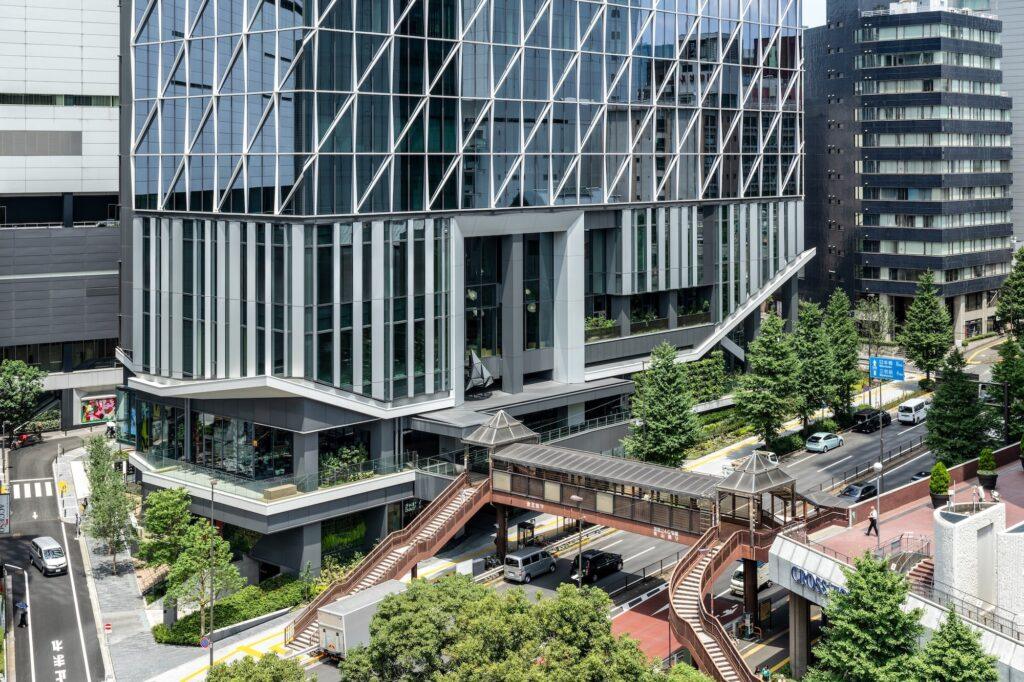
SHIBUYA AXSH has already been described as a pedestrian network hub between Shibuya and Aoyama. The Future Atlas asked the project team what that means in everyday use: how public movement, pause spaces and level changes are handled through a privately developed office-retail building.
The Resort Landscape Is Now an Operating Risk
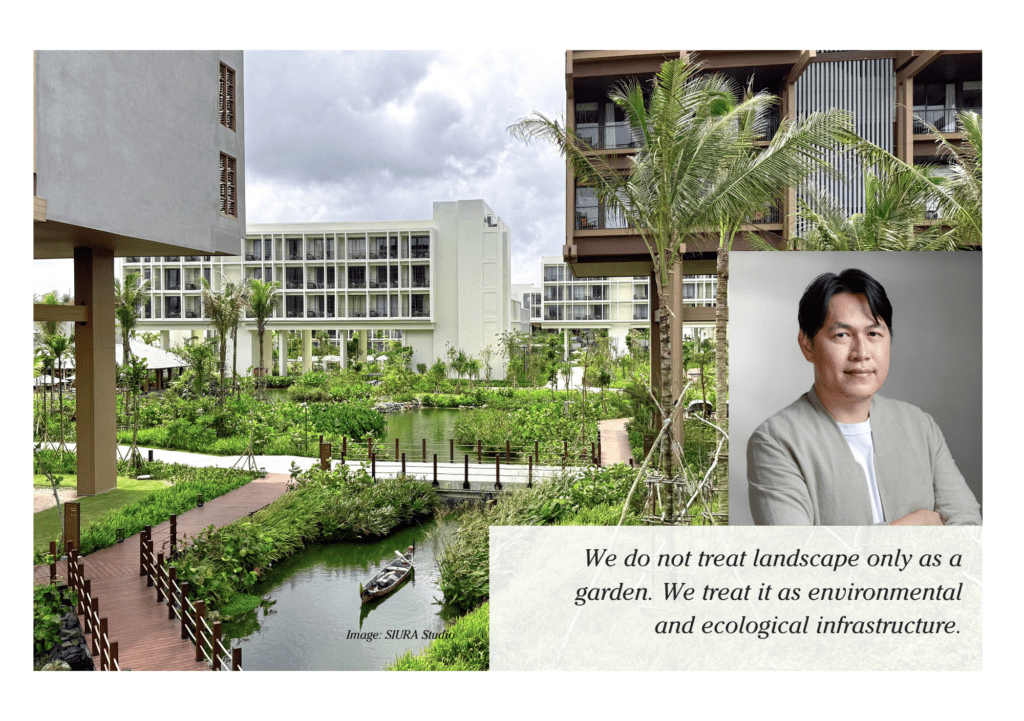
For Indonesia’s hospitality pipeline, landscape is no longer a finishing layer. Water, soil, heat, planting and maintenance are becoming asset-performance questions.
The Unpublished Layer: Nipun Prabhakar on What Architecture Photographs Cannot Fully Hold
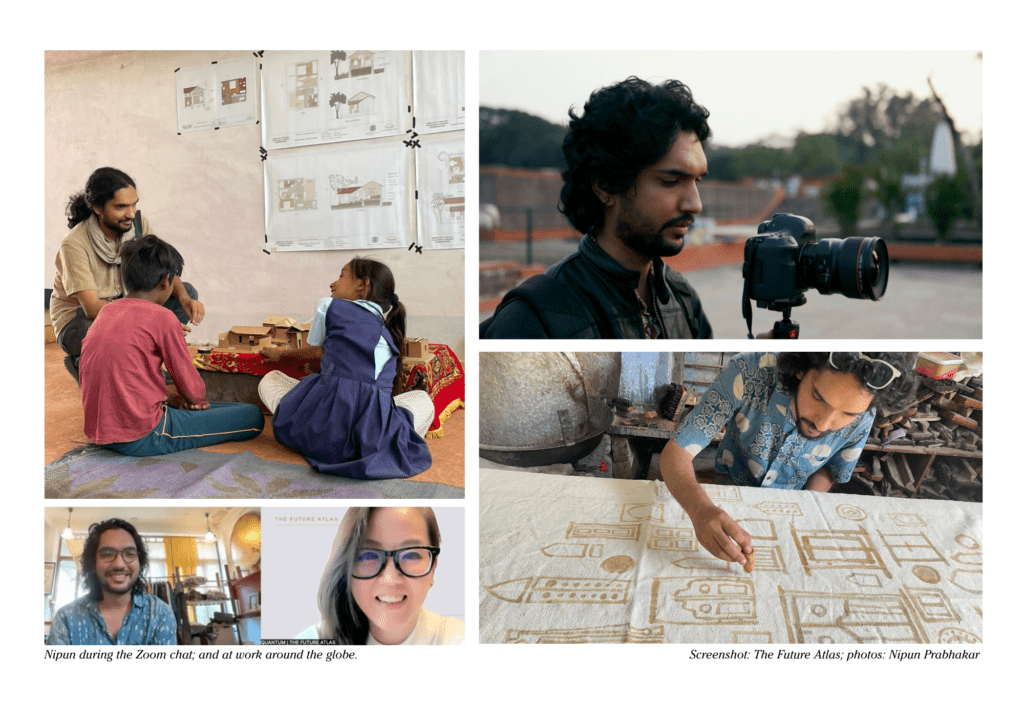
Interview The Unpublished Layer: Nipun Prabhakar on What Architecture Photographs Cannot Fully Hold Candice Lim I first knew architect, photographer and community practitioner Nipun Prabhakar years ago, when he approached me with a Charles Correa story I could not refuse. He went on to write regularly for the magazine I used to run, often supporting […]
A Sales Office Built Around Sourcing, Assembly and Reuse

In Hoskote, Bengaluru, Elements of Nature by Source Architecture serves as a sales and marketing office for a larger township development. The additional technical material shared with The Future Atlas places the project in a different light: a lightweight commercial prototype assembled in layers, partly reusable, and defined by a clearer material logic.
Can a Small Private Building Become a Better Urban Neighbour?
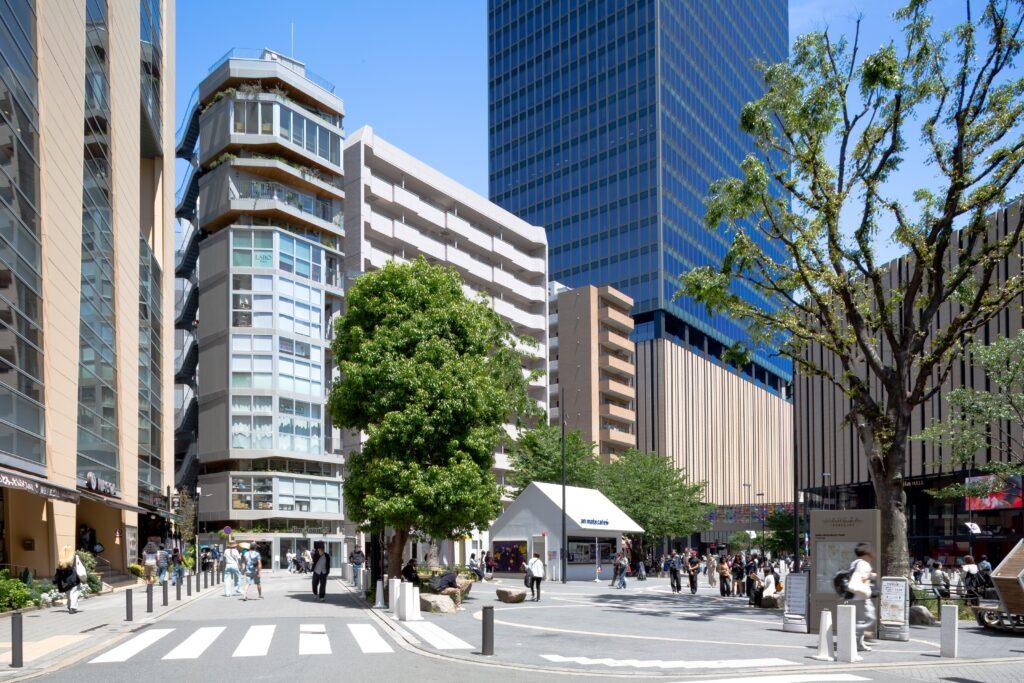
At Naka-Ikebukuro Park, KEY OPERATION’s Clerestory Garden tests a modest urban proposition: how a privately owned shop-and-residence building can respond to a hard-working public plaza through frontage, planting, light and tenant activity.
When a Cyclone Shelter Becomes a Landmark

In Kuakata, two very different projects suggest that resilience depends not only on structural safety, but on whether a building is known, trusted and folded into community life.